In a study published in Nature Mental Health, an international team of researchers analyzed a combination of factors, including lifestyle, genetics, brain structure, and immune and metabolic systems to identify mechanisms associated with depression.
They found that factors such as a sedentary lifestyle, poor sleep, and habits like alcohol and smoking increase the risk of depression.
Details of the study: To better understand the relationship between these factors and depression, researchers turned to the UK Biobank, a database containing information on genetics, lifestyle, and the health of its participants.
By examining data from nearly 290,000 people, including 13,000 with depression, tracked over a nine-year period, the team identified seven lifestyle factors associated with a higher risk of depression. These were:
1. Moderate alcohol consumption 2. Healthy diet 3. Regular physical activity 4. Healthy sleep 5. Never smoking 6. Low to moderate sedentary behavior 7. Frequent social connection
Of all these factors, getting a good night’s sleep – between seven and nine hours per night – made the most significant difference, reducing the risk of depression, including single depressive episodes and treatment-resistant depression, by 22%.
Frequent social connection, which generally reduced the risk of depression by 18%, was the most protective against recurrent depressive disorder.
Moderate alcohol consumption decreased the risk of depression by 11%, a healthy diet by 6%, regular physical activity by 14%, never smoking by 20%, and low to moderate sedentary behavior by 13%.
The team then examined the DNA of participants, assigning each a genetic risk score. This score was based on the number of genetic variants an individual carried, known to be linked to the risk of depression. Those with the lowest genetic risk score had a 25% lower likelihood of developing depression compared to those with the highest score – an impact much smaller than lifestyle.
In individuals with high, medium, and low genetic risk for depression, the team also found that a healthy lifestyle can reduce the risk of depression. This research highlights the importance of living a healthy lifestyle to prevent depression, regardless of a person’s genetic risk.
This article discusses intrusive thoughts, which are unwanted and recurring thoughts that invade our minds, causing anxiety and discomfort. Intrusive thoughts can range from simple worries to traumatic memories and disturbing images, and they are often challenging to control.
These thoughts are like unwelcome visitors in our minds; they appear without warning and can be triggered by stress, anxiety, or past traumas. They tend to repeat, which can make them distressing.
The common types of intrusive thoughts include:
1. Obsessive thoughts: Persistent and unwanted thoughts about disturbing topics or inappropriate behaviors. 2. Negative thoughts: Persistent negative thoughts that can lead to self-doubt, anxiety, and self-criticism. 3. Abandonment thoughts: Constant fear of being abandoned by loved ones, even without evidence. 4. Sexual thoughts: Unwanted sexual thoughts that may involve improbable scenarios. 5. Guilt thoughts: Intense feelings of guilt or remorse, often related to past actions. 6. Comparison thoughts: Constantly comparing oneself to others, leading to low self-esteem and insecurity.
The article suggests that while intrusive thoughts can be challenging to control, several strategies can help manage them:
1. Meditation: Practicing meditation can calm the mind and reduce negative thoughts over time.
2. Recognize the thoughts: Acknowledging and identifying intrusive thoughts can reduce their emotional impact.
3. Professional help: If intrusive thoughts significantly impact daily life, seeking help from a mental health professional is essential.
4. Therapy: Therapy can be valuable in addressing these thoughts and improving overall well-being.
5. Physical activity: Regular exercise can help combat intrusive thoughts by reducing anxiety and stress, improving self-esteem, and enhancing mental clarity.
The article emphasizes that managing intrusive thoughts is a gradual process that requires patience and self-compassion. It’s important to remember that seeking professional help is a viable option if these thoughts persist and significantly affect one’s daily life.
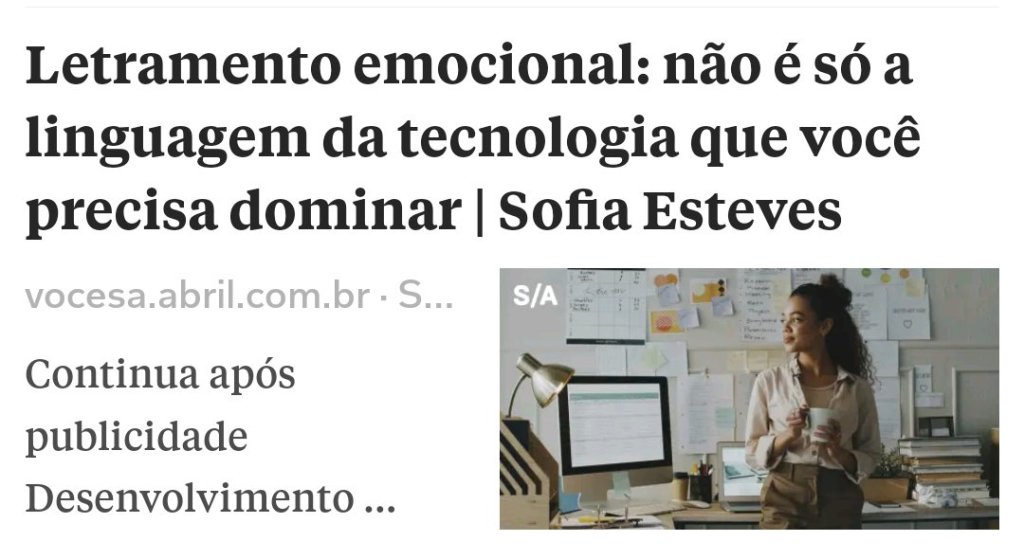
The term “emotional literacy” is discussed in the article, highlighting its importance in both personal and professional life. It begins by noting that as infants, crying is the only way we express discomfort, but as we grow, we develop a “dictionary of emotions” to better communicate our feelings.
The article emphasizes that emotional literacy, the ability to recognize, understand, and express emotions healthily, is a lifelong practice. This skill is not only crucial for personal development but also for one’s career.
In recent years, the world has faced multiple crises, including health, economic, environmental, political, and educational crises. These challenging times have taken a toll on mental health, particularly among young people who often experience anxiety, apathy, fatigue, and worry.
Emotional literacy is portrayed as a tool to help individuals navigate these difficult emotions effectively. It doesn’t suppress emotions but equips individuals to deal with them constructively. Understanding and managing one’s own emotions and being sensitive to the emotions of others can lead to better relationships, enhanced problem-solving, and improved adaptability in the face of change.
In summary, emotional literacy is a valuable skill in the modern world, especially during times of crisis. It helps individuals not only identify and manage their emotions but also build meaningful relationships and navigate challenges more effectively.
Main points of the text:
1. The text discusses why teenagers participate in social media challenges, even when they pose risks to their health and well-being.
2. The authors, Kapil Chalil Madathil and Heidi Zinzow, conducted research on this topic, interviewing high school and college students in the US and South India who had participated in social media challenges.
3. They identified four key factors motivating young people to take on challenges: social pressure, the desire for attention, entertainment value, and the contagion effect.
4. Social pressure often comes from friends encouraging each other to participate to gain acceptance within a social group.
5. Some challenges, like the “Ice Bucket Challenge,” are driven by a desire to support a good cause, where participants nominate others to join.
6. Attention-seeking behavior was observed, especially among those who engaged in riskier challenges, leading them to take greater risks to stand out.
7. Many young people participate for entertainment and curiosity, wanting to see people’s reactions to their performances.
8. The contagion effect means that challenges spread rapidly through social media, influenced by how content creators portray them.
9. The authors also highlight the need to provide more information about the potential risks of social media challenges in schools, to parents, and on social media platforms to help young people make informed decisions and discourage risky participation.
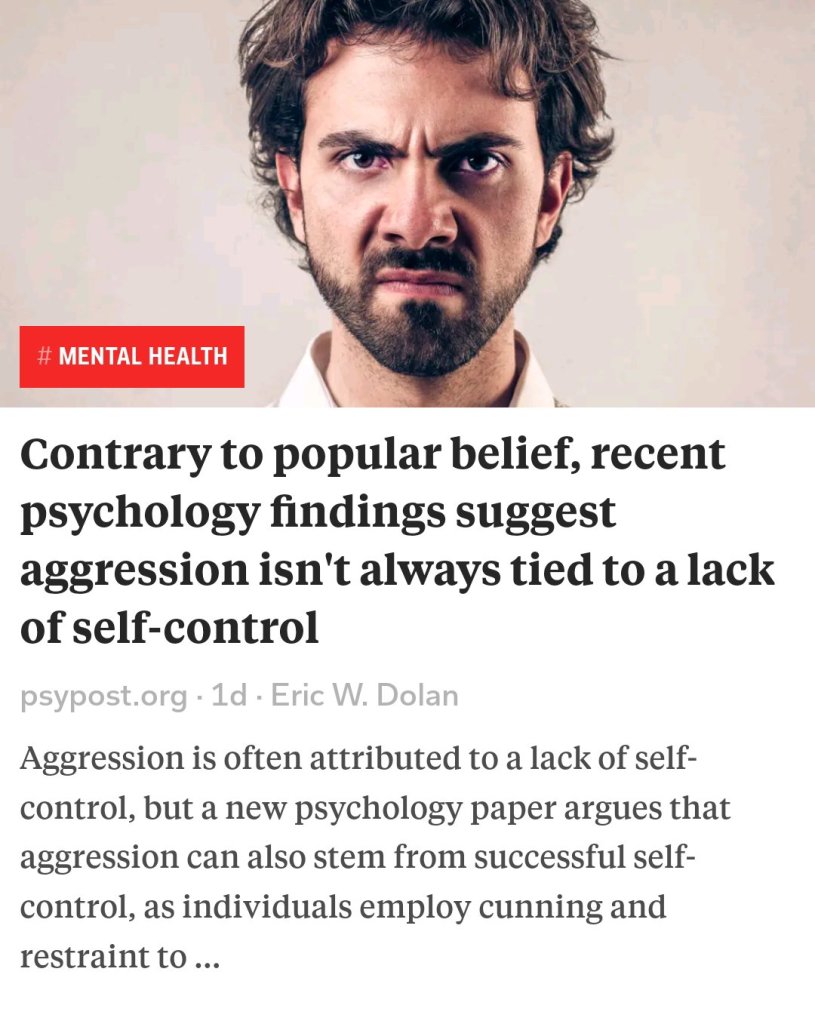
Contrariamente ao que se acreditava anteriormente, descobertas recentes da psicologia sugerem que a agressão nem sempre está relacionada à falta de autocontrole.
A agressão é frequentemente atribuída à falta de autocontrole, mas um novo artigo de psicologia argumenta que a agressão também pode surgir do autocontrole bem-sucedido, à medida que os indivíduos empregam astúcia e restrição para buscar retaliação. O artigo foi publicado no periódico Social and Personality Psychology Compass e resume evidências de dezenas de estudos existentes em psicologia e neurociência.
Por décadas, a crença predominante foi que a agressão era impulsionada pela falta de autocontrole – o processo psicológico esforçado através do qual as pessoas inibem impulsos imediatos em favor de objetivos finais. F frequentemente imaginamos explosões violentas como atos impulsivos, desencadeados pela incapacidade de restringir nossos piores impulsos no calor do momento. Essa perspectiva orientou pesquisas, intervenções e percepções públicas sobre a agressão.
“Meu trabalho é entender a agressão, e eu vi uma abordagem predominantemente unilateral desse fenômeno – uma que enfatizava o autocontrole como uma panaceia redutora de agressão, quando havia considerável evidência de que o autocontrole frequentemente facilitava a agressão”, disse o autor do estudo, David S. Chester, professor associado de psicologia social na Universidade da Commonwealth da Virgínia. “Então, assumi a responsabilidade de apresentar o caso para a possibilidade alternativa, de que o autocontrole também pode exacerbar a agressão, para trazer equilíbrio à nossa compreensão.”
Tradicionalmente, o autocontrole tem sido visto como uma força que inibe puramente a agressão. No entanto, há evidências de que o autocontrole pode desempenhar um papel duplo. Embora certamente ajude a conter a agressão impulsiva ao controlar os impulsos agressivos, também pode ser utilizado para facilitar a agressão quando os indivíduos escolhem agir agressivamente de forma deliberada.
O artigo apresenta descobertas recentes de pesquisas que questionam a perspectiva tradicional sobre autocontrole e agressão. Essas descobertas incluem:
– A correlação entre agressão aumentada e baixa conscienciosidade é mais fraca do que o esperado, com agradabilidade e neuroticismo mostrando correlações mais fortes. A conscienciosidade é um traço de personalidade associado à organização, responsabilidade e disciplina. – Indivíduos psicopatas, que tendem a exibir altos níveis de agressão, também podem possuir autorregulação intacta e de alto funcionamento. Isso significa que podem controlar eficazmente seus impulsos e se comportar de maneira calculada e estratégica. – Estudos de imagem cerebral encontraram atividade aumentada no córtex pré-frontal durante o comportamento agressivo. O córtex pré-frontal é uma região do cérebro associada a funções executivas, incluindo o autocontrole. – Estudos sobre vingança indicam que os indivíduos podem usar o autocontrole para adiar a retaliação imediata e buscar vingança posteriormente, com maior intensidade.
Muitas das descobertas surpreenderam Chester. “Fui treinado na tradição de que o autocontrole é quase sempre uma maneira eficaz de inibir a agressão”, explicou. “Essa empreitada inteira foi motivada ao ver dados que discordavam da minha compreensão anterior e, em seguida, seguir essa evidência para chegar à conclusão de que o autocontrole pode tornar as pessoas mais agressivas com facilidade.”
Chester distinguiu entre agressão reativa e agressão proativa. A agressão reativa é caracterizada por respostas impulsivas e emocionais à provocação. A agressão proativa, por outro lado, envolve ações planejadas e orientadas a objetivos que podem não ser emocionalmente motivadas. A agressão proativa é uma forma de agressão que pode ser considerada controlada, pois envolve planejamento e execução deliberados.
O artigo de revisão observou que a literatura existente sobre autocontrole e agressão tende a se concentrar na agressão reativa, negligenciando o papel do autocontrole na agressão proativa.
As visões tradicionais do autocontrole focavam principalmente em seu papel na prevenção da agressão reativa. Acredita-se que o autocontrole forte ajude as pessoas a resistir a respostas impulsivas e movidas pela raiva à provocação. Embora essa perspectiva seja válida, Chester argumentou que a influência do autocontrole vai além da simples inibição. O autocontrole também desempenha um papel fundamental em facilitar a agressão proativa. Em situações em que os indivíduos escolhem conscientemente buscar objetivos agressivos, o autocontrole pode capacitá-los a superar impulsos antiagressivos e prosseguir com ações agressivas planejadas.
“O autocontrole é um meio para um fim, e esse fim pode ser a violência”, disse Chester ao PsyPost. “De fato, algumas pessoas podem buscar ser agressivas, mas descobrem que seus impulsos estão atrapalhando (por exemplo, uma pessoa tímida e temerosa que deseja enfrentar um valentão). Em tais situações, o autocontrole pode inibir esses impulsos não agressivos e, posteriormente, amplificar a agressão.”
“Da mesma forma, pode ajudar as pessoas a sermais sutis em suas ações prejudiciais, como no caso de psicopatas “bem-sucedidos” que causam grande dano a outras pessoas, mas que (frequentemente) não são pegos. Assim, o autocontrole pode ser usado tanto para conter quanto para facilitar o comportamento agressivo.”
O artigo enfatiza a necessidade de uma visão mais matizada do autocontrole, reconhecendo que ele pode ter tanto consequências positivas quanto negativas. Ele desafia a ideia de que o autocontrole é universalmente benéfico e pede uma perspectiva equilibrada.
A revisão sugere que as intervenções destinadas a reduzir a agressão devem considerar as diferenças individuais. Embora o treinamento de autocontrole possa efetivamente prevenir a agressão impulsiva em alguns casos, ele pode inadvertidamente aumentar a agressão em outras situações, quando as pessoas optam por usar o autocontrole para realizar atos agressivos.
“A principal questão pendente é que existem muitas intervenções que buscam reduzir a violência melhorando o autocontrole”, explicou Chester. “Essas intervenções podem ser eficazes para algumas pessoas em algumas situações, mas também é provável que tais intervenções de autocontrole aumentem o comportamento agressivo para algumas pessoas em algumas situações, especialmente aquelas que desejam prejudicar os outros, mas não têm disciplina suficiente para fazê-lo de maneira eficaz.”
O estudo, “A agressão como autocontrole bem-sucedido”, foi publicado em 5 de julho de 2023.
Sigmund Freud, o fundador da psicanálise, argumentou que os sonhos são uma janela para o inconsciente, e suas imagens são frequentemente símbolos de desejos reprimidos, medos e conflitos internos. No contexto dos sonhos com celulares, o celular pode representar mais do que apenas um dispositivo tecnológico; ele pode simbolizar o medo de perder o controle sobre as comunicações, relacionamentos ou a própria vida.
A psicanálise sugere que os sonhos são uma forma de expressar ansiedades e desejos que não são facilmente acessíveis à consciência. O celular, como um meio de comunicação, é uma extensão das nossas conexões sociais e, muitas vezes, um portal para nossos relacionamentos e interações diárias. Sonhar com um celular pode indicar ansiedades relacionadas ao medo de perder o controle sobre essas conexões ou preocupações sobre a comunicação falhar em momentos críticos.
**Curiosidades sobre Sonhos com Celulares:**
1. **Fenômeno Moderno**: A presença de celulares em sonhos tornou-se mais comum à medida que esses dispositivos se tornaram parte integrante de nossas vidas. Isso destaca como os sonhos refletem nossa realidade contemporânea.
2. **Formas Variadas**: Sonhos com celulares podem assumir várias formas, desde perdê-los até não conseguir discar um número importante. Essas variações podem fornecer insights adicionais sobre os sentimentos do sonhador em relação ao controle e à comunicação.
3. **Interpretação Individual**: É importante notar que a interpretação de sonhos é altamente subjetiva. O significado exato de sonhar com um celular pode variar significativamente de pessoa para pessoa, dependendo de suas experiências e emoções pessoais.
4. **Reflexo de Dependência**: Alguns sugerem que sonhar frequentemente com celulares pode ser um reflexo da crescente dependência da tecnologia em nossas vidas e do impacto que isso tem em nossa psicologia.
Em resumo, os sonhos com celulares são um exemplo de como os objetos e eventos do mundo real podem ser reinterpretados e simbolizados no reino dos sonhos. A análise psicanalítica sugere que esses sonhos podem estar enraizados em ansiedades relacionadas ao controle e à comunicação. No entanto, a interpretação precisa depende da análise individual de cada sonhador e de suas experiências de vida únicas. Essa análise multidimensional dos sonhos com celulares nos lembra da complexidade e profundidade do mundo dos sonhos e de como eles continuam a nos intrigar e fascinar.
The proposed conceptual model establishes a crucial relationship between increased productivity, the need for institutional psychologist skills, and workforce qualification. This model is fundamental to understanding how these elements are interconnected and how they can impact economic growth. Let’s analyze the main points of this model:
1. **Logical Sequence:** The model sets a logical sequence in which each step requires the previous one. This means that to increase productivity, there must be advancements in the preceding factors.
2. **Technology:** Technology is identified as one of the main drivers of productivity. This includes improvements in existing processes as well as innovations in products and services. Technology is seen as a key factor in this model, capable of generating greater efficiency and added value.
3. **Business Environment:** A favorable business environment is essential. This involves reducing bureaucratic obstacles that can limit productivity gains. Issues such as slow justice, tax complexity, and patent registration processes can significantly affect productivity.
4. **Infrastructure:** Infrastructure is pinpointed as a critical factor, with decades of low investment leading to chronic problems. This impacts productivity through issues like transportation, urban mobility, and inadequate sanitation.
5. **Education:** Education is a fundamental element as it is directly linked to workforce qualification. Improvement in education is considered a requirement to meet the demands of a constantly evolving business environment.
6. **Administrator Competencies:** The model also emphasizes the importance of administrator competencies. With technological advancements and changes in the business environment, new skills are required, and existing competencies become more relevant.
7. **Connection between Education and Technology:** The dashed line connecting education and technology highlights how these two elements are interconnected. Technological progress often requires professionals to acquire new skills and competencies through education.
In summary, the conceptual model provides a solid framework for understanding how factors such as technology, the business environment, infrastructure, education, and administrator competencies are interconnected and how they influence increased productivity. This is essential for guiding policies and strategies aimed at improving the economy and people’s quality of life. Understanding these relationships is crucial for addressing the challenges of a constantly changing world.
Um psicólogo em uma empresa pode contribuir para a análise e ações relacionadas a essas mudanças socioeconômicas e geopolíticas de várias maneiras:
1. **Gerenciamento de Mudança Organizacional:** O psicólogo pode ajudar a empresa a gerenciar as mudanças necessárias devido ao crescimento populacional, envelhecimento da força de trabalho e migrações. Isso inclui o apoio na transição de funcionários para novos papéis, lidando com questões de adaptação e desenvolvendo estratégias para reter talentos em meio a essas mudanças.
2. **Diversidade e Inclusão:** Com o aumento da urbanização e movimentos migratórios, a diversidade no local de trabalho se torna mais relevante. O psicólogo pode ajudar a empresa a criar uma cultura inclusiva que valorize a diversidade e promova a igualdade de oportunidades.
3. **Treinamento e Desenvolvimento:** À medida que a tecnologia evolui rapidamente, os funcionários precisam estar atualizados. O psicólogo pode auxiliar no desenvolvimento de programas de treinamento que se adaptem às mudanças tecnológicas e promovam a aprendizagem contínua.
4. **Gestão de Estresse e Bem-Estar:** O crescimento econômico global e as mudanças rápidas podem causar estresse nos funcionários. O psicólogo pode fornecer suporte emocional, treinamento em gerenciamento de estresse e promover o bem-estar no local de trabalho.
5. **Desenvolvimento de Liderança:** À medida que a geopolítica muda, a empresa pode precisar se adaptar a novos desafios. O psicólogo pode ajudar a identificar líderes com habilidades de pensamento estratégico e adaptabilidade para liderar em ambientes globais em constante evolução.
6. **Comunicação e Engajamento:** Com a intensificação das relações internacionais e a natureza imprevisível do ambiente global, a comunicação eficaz é fundamental. O psicólogo pode auxiliar na melhoria das habilidades de comunicação e no engajamento dos funcionários para enfrentar desafios geopolíticos.
7. **Inovação e Criatividade:** O crescimento econômico e o desenvolvimento tecnológico estão ligados à inovação. O psicólogo pode promover uma cultura de inovação, incentivando a criatividade e o pensamento crítico entre os funcionários.
8. **Equilíbrio Trabalho-Vida:** Com a demanda crescente por energia e alimentos, a jornada de trabalho pode se tornar mais desafiadora. O psicólogo pode auxiliar na promoção do equilíbrio entre trabalho e vida pessoal, garantindo que os funcionários mantenham uma boa qualidade de vida.
9. **Desenvolvimento de Competências Futuras:** Considerando que algumas competências estão em ascensão e outras em declínio, o psicólogo pode identificar as habilidades essenciais para o futuro da empresa e auxiliar no desenvolvimento dessas competências entre os funcionários.
As tendências em População e Sociedade, Geopolítica, Ciência e Tecnologia, e Economia têm implicações significativas para organizações e sociedades em todo o mundo. Aqui está um resumo das principais implicações:
**População e Sociedade:** – O envelhecimento da população exige que as organizações considerem estratégias para lidar com uma força de trabalho mais velha, como programas de aposentadoria flexíveis e treinamento para aprimorar as habilidades dos trabalhadores mais experientes. – Movimentos migratórios intensificados significam que as empresas podem se beneficiar de uma força de trabalho diversificada, mas também devem adotar políticas inclusivas e de igualdade. – A adaptação do papel do estado está relacionada às políticas governamentais em áreas como saúde, educação e previdência social. As empresas podem ser afetadas indiretamente por essas políticas, especialmente em relação à força de trabalho. – A urbanização crescente pode oferecer oportunidades de mercado em áreas urbanas, mas também requer atenção à infraestrutura e sustentabilidade. – O empoderamento dos indivíduos e o crescimento da classe média global podem criar novos mercados e consumidores, influenciando estratégias de negócios e marketing.
**Geopolítica:** – A permanência da ideologia da globalização destaca a importância da expansão dos negócios globais e da compreensão das dinâmicas comerciais internacionais. – O déficit de governança global e as relações internacionais imprevisíveis podem aumentar a incerteza nos mercados globais, exigindo flexibilidade nas estratégias de negócios. – A manutenção dos Estados Unidos como uma potência militar e econômica dominante pode impactar as relações comerciais globais e as políticas de comércio internacional. – A União Europeia continuará a ser um centro de influência, afetando as regulamentações e políticas comerciais na região. – O crescimento da Ásia e dos BRICS como potências econômicas e geopolíticas pode abrir novos mercados e parceiros comerciais.
**Ciência e Tecnologia:** – O desenvolvimento tecnológico acelerado cria oportunidades para inovação em produtos, processos e modelos de negócios. – As Tecnologias da Informação e Comunicação (TICs) transformam a forma como as organizações operam, incluindo a natureza do trabalho, a educação e a comunicação. – Investimentos em automação, robótica, nanotecnologia e biotecnologia podem melhorar a eficiência e a qualidade da produção, mas também podem afetar a demanda por certas habilidades de trabalho.
**Economia:** – O crescimento econômico liderado por países emergentes oferece oportunidades para expansão de negócios em mercados em desenvolvimento. – A economia de inovação é fundamental, exigindo que as organizações estejam abertas a novas ideias e tecnologias. – Os fluxos de capital globais e as regulamentações financeiras impactam as finanças corporativas e os investimentos. – A responsabilidade fiscal do governo pode afetar as políticas tributárias que impactam as empresas. – O aumento da demanda por energia e alimentos destaca a importância da sustentabilidade e da busca por fontes de energia renovável.
Para prosperar nesse ambiente em constante mudança, as organizações devem ser ágeis, inovadoras e estrategicamente alinhadas com essas tendências, considerando suas implicações para a força de trabalho, operações e estratégias de negócios. A colaboração com especialistas, incluindo psicólogos organizacionais, pode ajudar a enfrentar esses desafios de maneira eficaz.
Em resumo, a psicologia desempenha um papel estratégico no auxílio às empresas na adaptação e prosperidade em um ambiente global em constante mudança. Ela contribui para o bem-estar dos funcionários, desenvolvimento de liderança, inovação e eficácia organizacional, ajudando a empresa a enfrentar os desafios e aproveitar as oportunidades apresentadas por essas tendências socioeconômicas e geopolíticas.
The word “competence” has been gaining increasing prominence in the corporate world. In a general sense, it identifies a person qualified to perform something, and its antonym carries a negative connotation when describing someone lacking that capability.
Historically, in the Middle Ages, the word was associated with legal language and referred to the faculty of someone or an institution to appreciate and judge certain issues. Later, it began to be used more broadly to qualify someone as capable of performing a specific task.
In the 1990s, there was a notable trend for organizations to shift from a job-based approach to a competency-based one. This change reflected the need to adapt activities in a constantly changing environment. In a scenario where activities are repetitive and mass-produced, a job-based management model was appropriate. However, in a complex and dynamic environment, the competency model became more suitable. Here, individuals need to adjust their skills according to organizational and environmental changes.
The competency-based model focuses on managing individuals based on their skills, encouraging organizations to develop competencies that drive their competitive advantage. This contrasts with the traditional model, where the focus is on finding candidates who meet the requirements of specific roles rather than selecting candidates who can learn and pursue different career paths within the organization.
Companies have adopted competency management to plan, select, and develop the skills necessary for their businesses. This approach is part of a larger organizational management system, aligning strategies with recruitment, training, career management, among other actions, to develop the competencies necessary to achieve their goals.
Although “competence” is an old word, various interpretations and different concepts generate doubts about its practical application. This complexity underscores the importance of a strategic and systematic approach to competency management in organizations.




 Go Into Yourself Intercultural