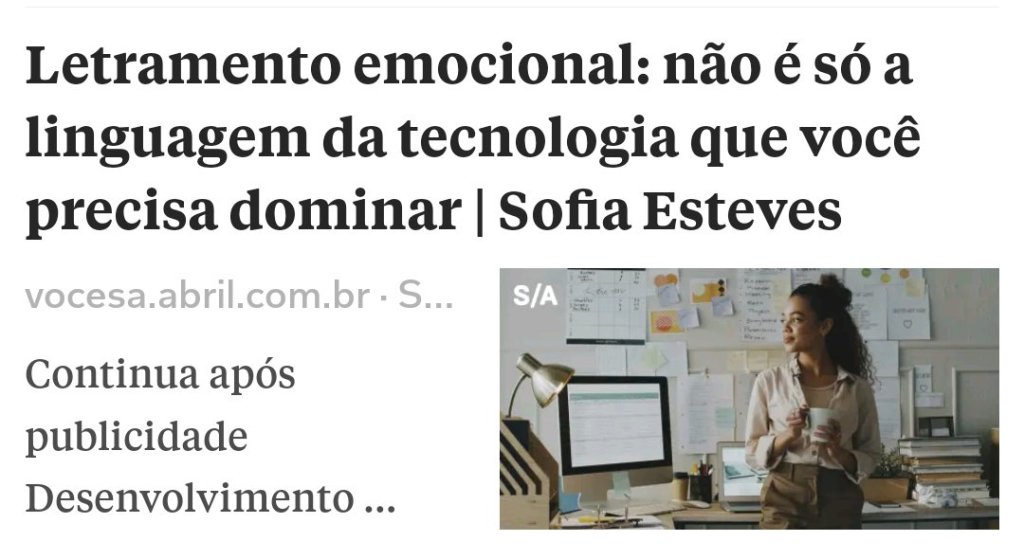
The term “emotional literacy” is discussed in the article, highlighting its importance in both personal and professional life. It begins by noting that as infants, crying is the only way we express discomfort, but as we grow, we develop a “dictionary of emotions” to better communicate our feelings.
The article emphasizes that emotional literacy, the ability to recognize, understand, and express emotions healthily, is a lifelong practice. This skill is not only crucial for personal development but also for one’s career.
In recent years, the world has faced multiple crises, including health, economic, environmental, political, and educational crises. These challenging times have taken a toll on mental health, particularly among young people who often experience anxiety, apathy, fatigue, and worry.
Emotional literacy is portrayed as a tool to help individuals navigate these difficult emotions effectively. It doesn’t suppress emotions but equips individuals to deal with them constructively. Understanding and managing one’s own emotions and being sensitive to the emotions of others can lead to better relationships, enhanced problem-solving, and improved adaptability in the face of change.
In summary, emotional literacy is a valuable skill in the modern world, especially during times of crisis. It helps individuals not only identify and manage their emotions but also build meaningful relationships and navigate challenges more effectively.

 Go Into Yourself Intercultural