Main points of the text:
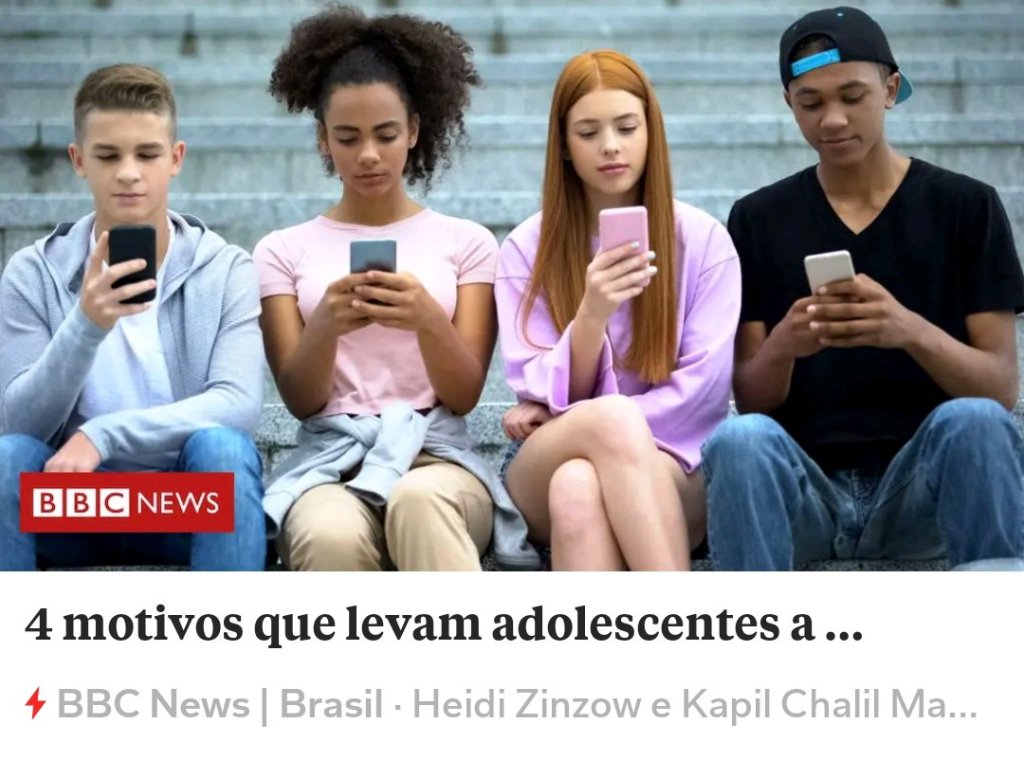
1. The text discusses why teenagers participate in social media challenges, even when they pose risks to their health and well-being.
2. The authors, Kapil Chalil Madathil and Heidi Zinzow, conducted research on this topic, interviewing high school and college students in the US and South India who had participated in social media challenges.
3. They identified four key factors motivating young people to take on challenges: social pressure, the desire for attention, entertainment value, and the contagion effect.
4. Social pressure often comes from friends encouraging each other to participate to gain acceptance within a social group.
5. Some challenges, like the “Ice Bucket Challenge,” are driven by a desire to support a good cause, where participants nominate others to join.
6. Attention-seeking behavior was observed, especially among those who engaged in riskier challenges, leading them to take greater risks to stand out.
7. Many young people participate for entertainment and curiosity, wanting to see people’s reactions to their performances.
8. The contagion effect means that challenges spread rapidly through social media, influenced by how content creators portray them.
9. The authors also highlight the need to provide more information about the potential risks of social media challenges in schools, to parents, and on social media platforms to help young people make informed decisions and discourage risky participation.

 Go Into Yourself Intercultural